Tackling Sampling in Glass-Lined Steel Vessels
Obtaining product samples from a glass-lined vessel is not always a simple, straightforward task. ...

|
Dispensing Option |
Best Fit | Note |
|---|---|---|
| Handheld bottle sampling | Low/No hazard samples | The lowest-containment dispensing method. Use where open bottle handling and atmospheric venting are acceptable. |
| Threaded bottle connector (standard) | Controlled bottle connections | Useful when vapor routing away from the operator is desired without moving to a fully sealed septum or syringe arrangement. |
| Septum capped bottle assembly |
Sealed sample transfer |
Reduces vapor release, sample contamination, and atmospheric exposure during bottle filling and transport. |
| Syringe sampler | Higher-containment applications | Captures the sample without an open bottle at the sampling point. |
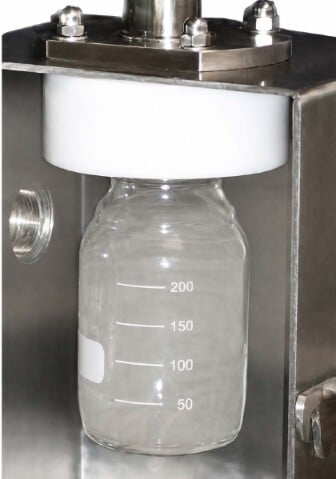
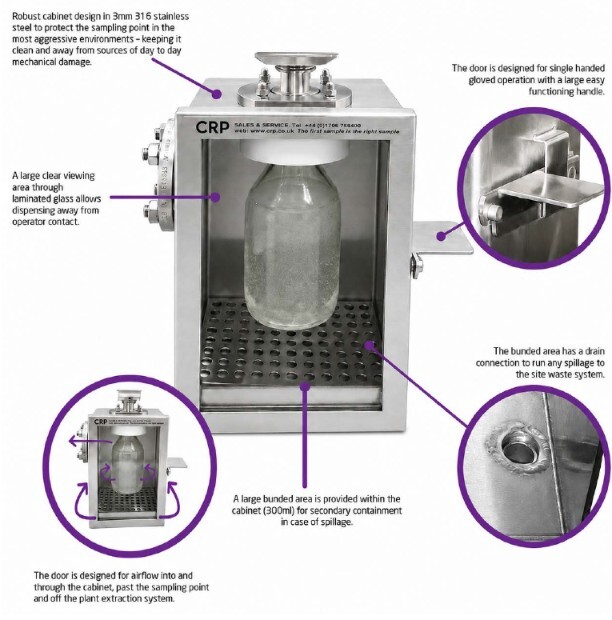
| Safety cabinet |
Secondary containment |
Provides additional operator protection for spills, fumes, and sample handling. |
| Sample cooling or heating | Temperature-sensitive samples | Used to reduce sample temperature before handling or maintain sample condition. |
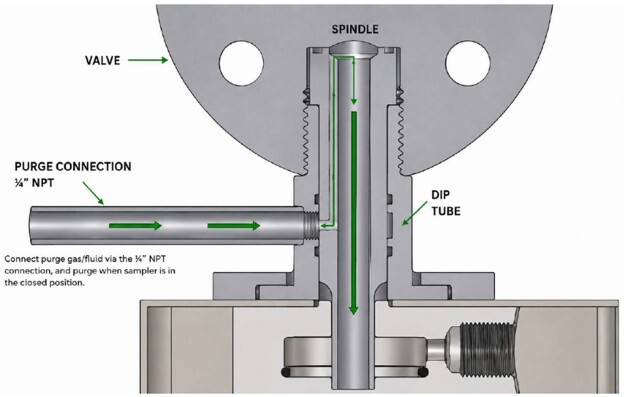
Maintain Sample Integrity with Purge & Flush Capability
Accurate process decisions depend on representative samples. The integrated purge and flush design removes residual material from the sampling path prior to collection, helping ensure that each sample accurately reflects current process conditions. By eliminating material carryover from previous samples, the system helps maintain sample-to-sample integrity while improving confidence in analytical results.
For applications requiring inert processing conditions, the purge connection can also be used to introduce nitrogen, helping maintain a closed, oxygen-free environment and reducing operator exposure during sampling operations.
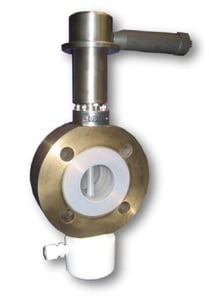
Handheld bottle sampling may be appropriate where process hazards are low and open bottle handling is acceptable.
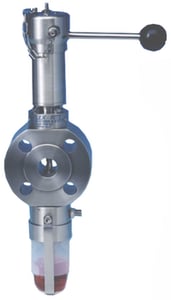
Threaded bottle connectors and septum assemblies can reduce vapor release and help protect sample integrity.
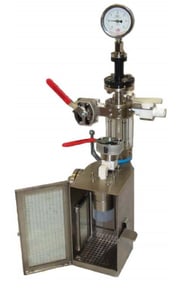
Syringe samplers and safety cabinets help reduce operator interaction with open samples and improve secondary containment.
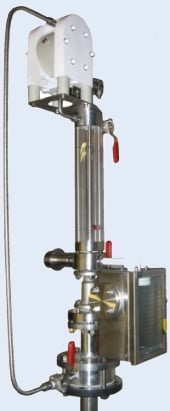
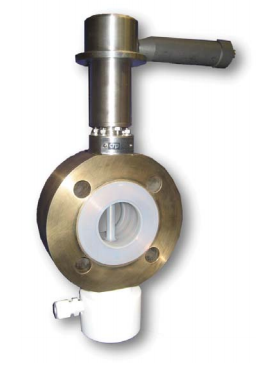
Water-style sampling valves for representative samples directly from horizontal or vertical process pipelines.
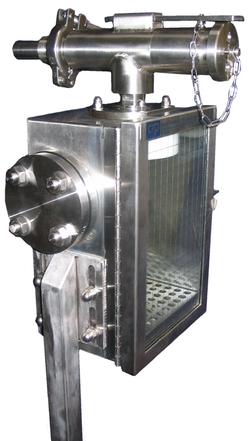
Sampling valves for vessel walls, vessel bottoms, and large process pipelines where inline or dip-pipe sampling may not be practical.
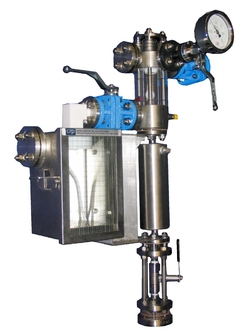
Dip-pipe and recirculating arrangements for reactors, storage vessels, and batch processing applications.