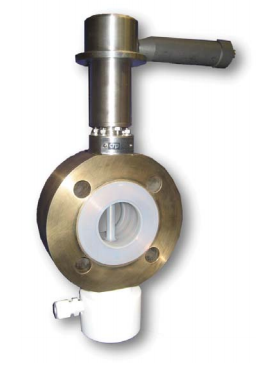
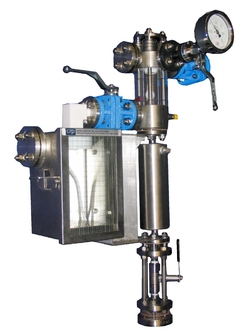
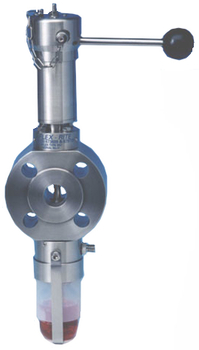
What is a surface-mounted sampler?
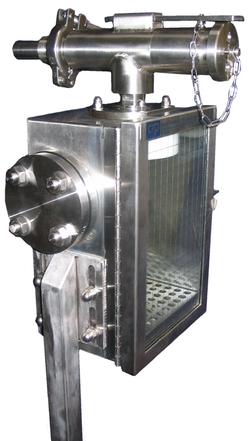
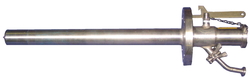
A surface-mounted sampler is installed directly on the wall of a vessel, reactor, tank, or process equipment, allowing operators to safely collect representative samples from inside the process without opening manways or exposing personnel to process materials.
When should a surface-mounted sampler be used?
Surface-mounted samplers are commonly used when samples must be taken directly from a vessel rather than from a process pipeline. They are ideal for reactors, storage tanks, filter-dryers, and other process equipment where monitoring product quality, reaction progress, or batch consistency is critical.
What are the advantages of surface-mounted sampling?
Surface-mounted samplers allow operators to obtain representative samples directly from the process while maintaining containment. Benefits include improved operator safety, reduced contamination risk, better process monitoring, and minimized product loss.
What applications are best suited for surface-mounted samplers?
Surface-mounted samplers are commonly used in:
- Batch chemical processing
- Pharmaceutical manufacturing
- Specialty chemicals
- Agrochemical production
- Corrosive chemical service
- Hazardous material handling
- Pilot plants and scale-up facilities
Can surface-mounted samplers be installed on glass-lined reactors?
Yes. Surface-mounted samplers are frequently installed on glass-lined reactors and other process vessels where corrosion resistance, product purity, and safe sampling are important considerations.
How do surface-mounted samplers improve operator safety?
Surface-mounted samplers allow samples to be collected without opening process equipment. Closed sampling configurations can further reduce exposure to hazardous chemicals, vapors, and elevated process temperatures.
Can surface-mounted samplers be used with hazardous or toxic chemicals?
Yes. Surface-mounted samplers are commonly used in applications involving hazardous, toxic, corrosive, or flammable materials where maintaining containment and minimizing operator exposure are essential.
Can samples be collected while the process is operating?
Yes.
How do I choose the right surface-mounted sampler?
Selection depends on several factors including:
- Process pressure
- Process temperature
- Chemical compatibility
- Required sample volume
- Containment requirements
- Vessel design
- Sampling frequency
An evaluation of these factors helps determine the most appropriate sampling solution.
What materials of construction are available?
Surface-mounted samplers can be manufactured from a variety of materials, including stainless steel, PFA-lined components, and other corrosion-resistant materials to meet process requirements.
Can surface-mounted samplers be used in sanitary or pharmaceutical applications?
Yes. Surface-mounted samplers can be designed to meet the cleanliness, containment, and validation requirements commonly found in pharmaceutical and biotechnology processes.
What is the difference between a surface-mounted sampler and an inline sampler?
A surface-mounted sampler is installed directly on a vessel, reactor, or tank and collects samples from within the process equipment. An inline sampler is installed in process piping and collects samples from the flowing process stream. Surface-mounted samplers are typically used when monitoring reaction progress or batch quality inside a vessel, while inline samplers are often used to sample raw materials, intermediates, or products as they move through a process.
How do you safely sample hazardous chemicals from a reactor?
The safest approach is to use a closed sampling system that minimizes operator exposure to hazardous materials, vapors, and fumes. Surface-mounted samplers can be configured with containment features that allow samples to be collected while maintaining process integrity and reducing the risk of spills, emissions, and personnel exposure.