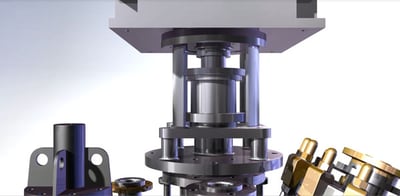
 When designing or specifying glass-lined reactors, agitator sealing systems are one of the most critical—and often underestimated—components. The right seal choice directly impacts process safety, equipment longevity, maintenance intervals, and overall plant reliability.
Among the available options, double mechanical seals have become the preferred solution for demanding chemical processing environments. Understanding their advantages—and the distinction between dry-running and lubricated configurations—is key to making the right specification.
Why Double Mechanical Seals?
Double mechanical seals consist of two sealing interfaces arranged inboard and outboard, with a barrier system (fluid or gas) between them. Compared to single seals, they offer several important advantages:
1. Enhanced Safety and Emissions Control
Double seals provide a secondary containment barrier, significantly reducing the risk of process fluid leakage. This is particularly important when handling:
- Toxic chemicals
- Flammable solvents
- Hazardous intermediates
In glass-lined reactors, this added layer of protection is often essential for compliance with environmental and safety regulations.
2. Improved Reliability in High-Pressure Operation
Glass-lined reactors frequently operate under elevated pressures and temperatures. Double seals are better equipped to handle:
- Pressure fluctuations
- Thermal cycling
- Vapor-phase conditions
The barrier system stabilizes the seal environment, reducing face wear and improving overall lifespan.
3. Protection Against Dry Running and Upset Conditions
Process interruptions—such as loss of liquid level or gas entrainment—can damage single seals quickly. Double seals provide a buffer zone that helps prevent catastrophic failure during these transient conditions.
Looking Ahead: A Three-Part Series
While double mechanical seals offer clear advantages, selecting the right type for your process is crucial. In our upcoming series, we will dive deeper into the different configurations and their specific applications:
- Part 1: Dry-running (gas-lubricated) double mechanical seals
- Part 2: Lubricated (liquid barrier) double mechanical seals
- Part 3: High-purity sealing solutions for contamination-sensitive applications
Stay tuned as we explore each type in detail, helping you make the best specification choices for your glass-lined reactor.