Benefits and Configuration Options

Efficient Tank Circulation

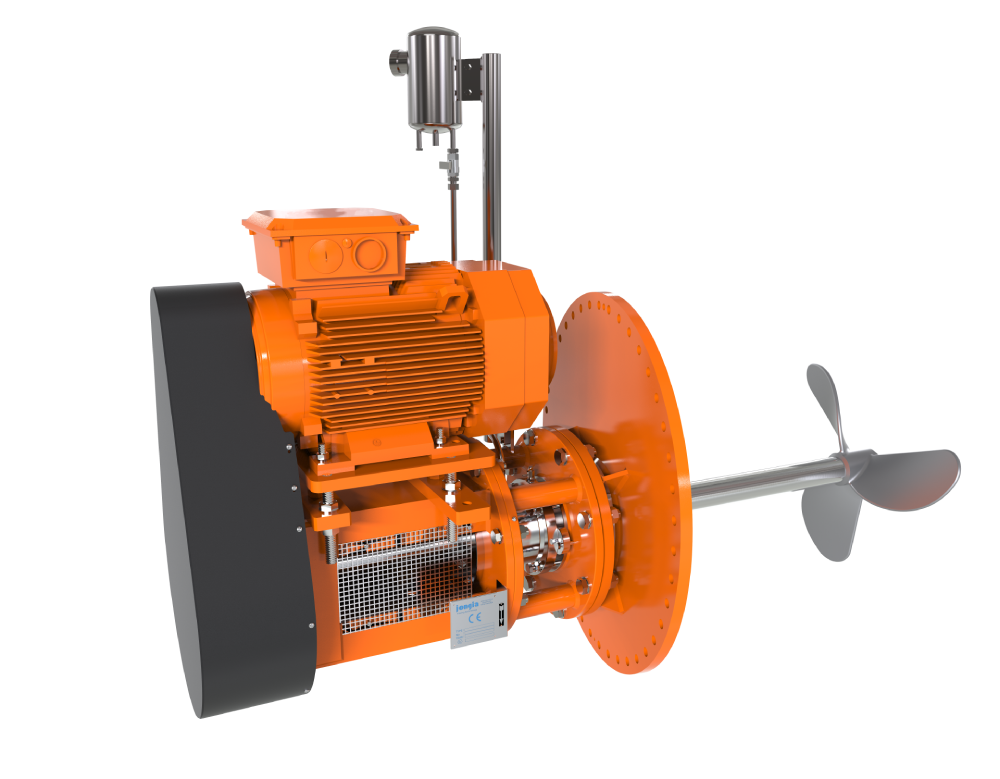
Side-entry mounting directs flow across the vessel, helping circulate large liquid volumes and maintain product uniformity.

Compact Installation

The short shaft and external side-wall mounting can reduce overhead space requirements and simplify access to the drive assembly.

Scalable for Large Tanks

One or more mixers can be positioned around a vessel to develop the required circulation pattern in large-diameter tanks.

Flexible Sealing Options

Mechanical seals, stuffing boxes, shut-off devices and magnetic-drive arrangements can be considered according to the product and containment requirements.

Broad Material Selection

Construction materials, coatings and product-contact finishes can be selected for corrosion resistance, hygiene and product compatibility.

Retrofit Potential

Adapted mounting flanges and compact designs allow side-entry agitators to be considered for both new vessels and existing-tank upgrades.

Select the Appropriate Duty Range

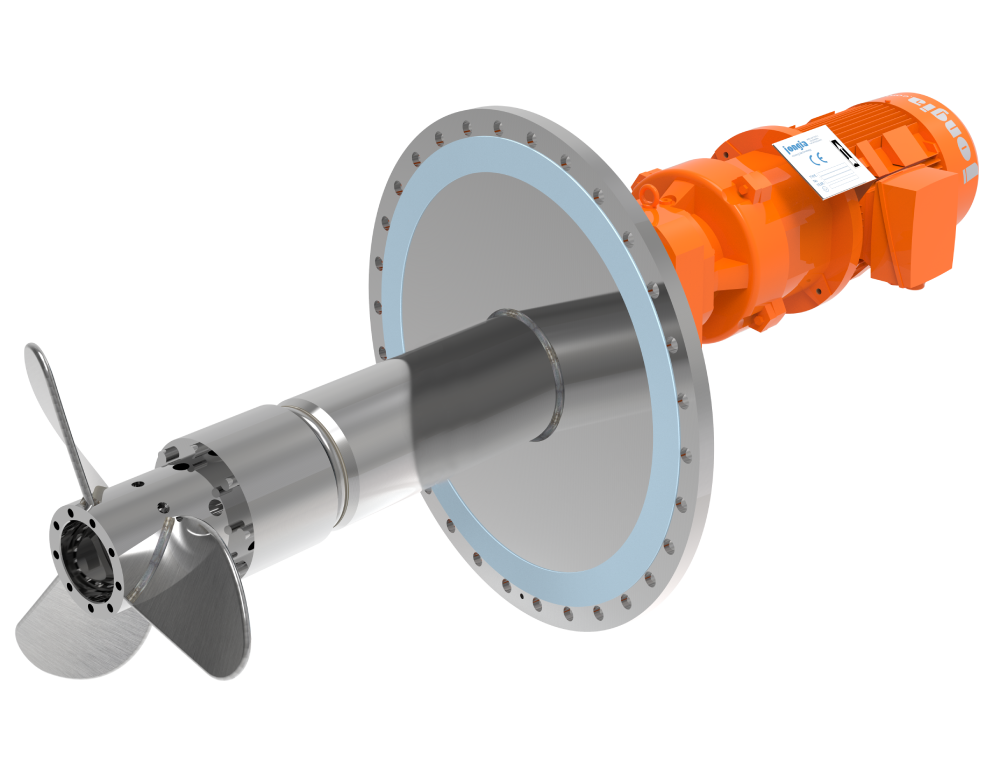
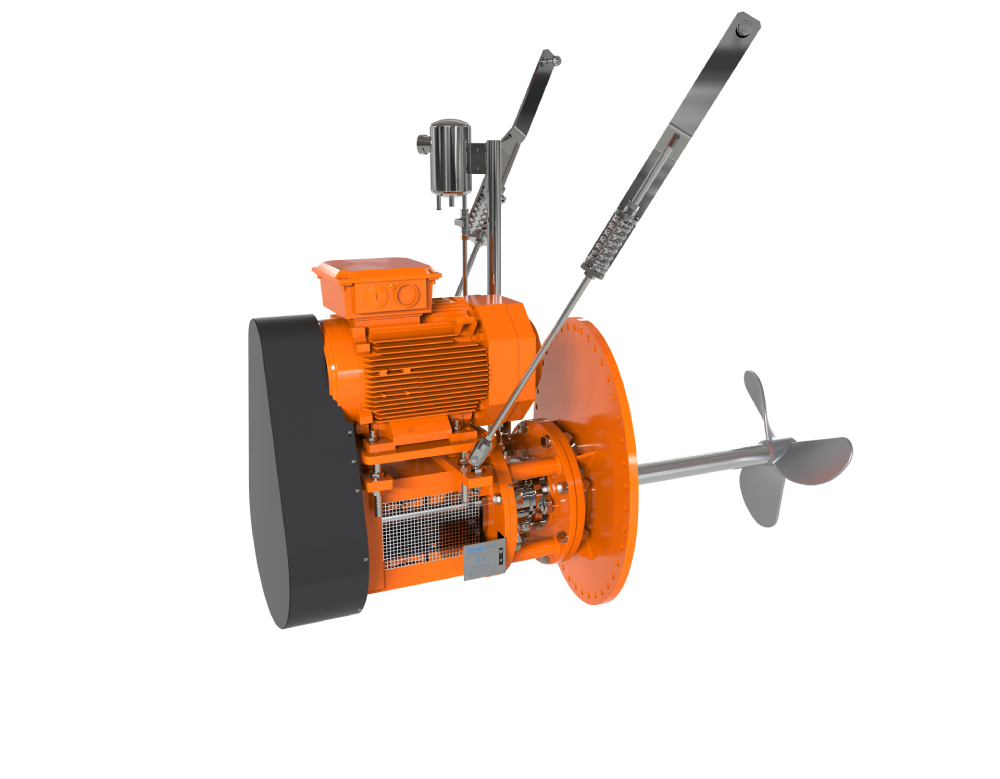
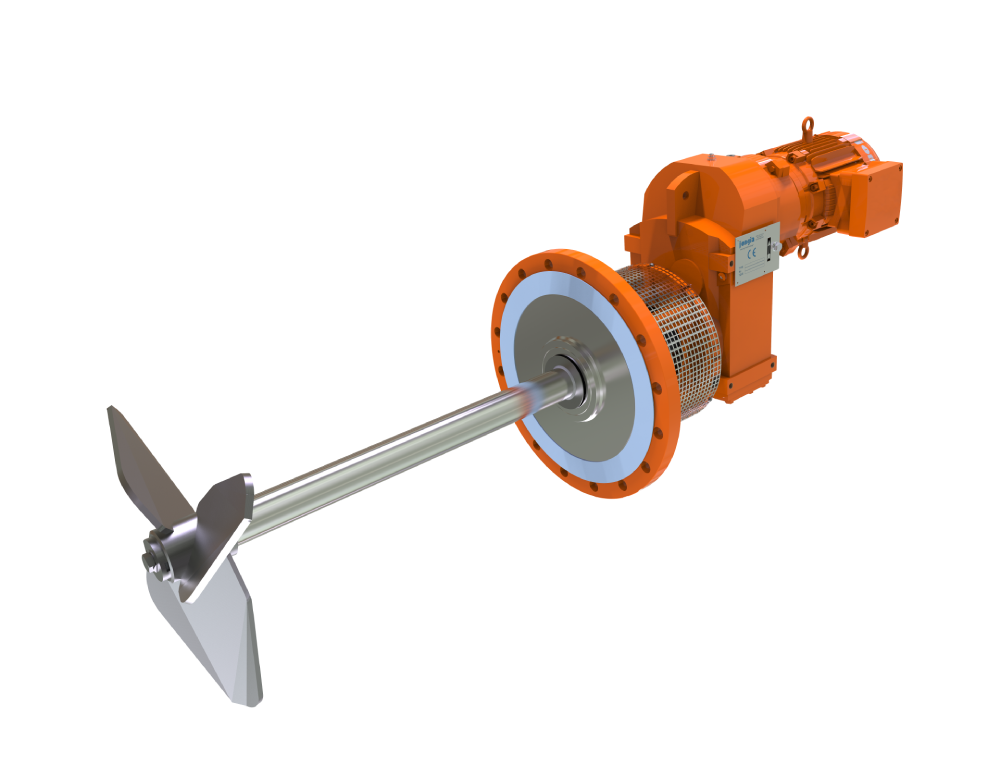
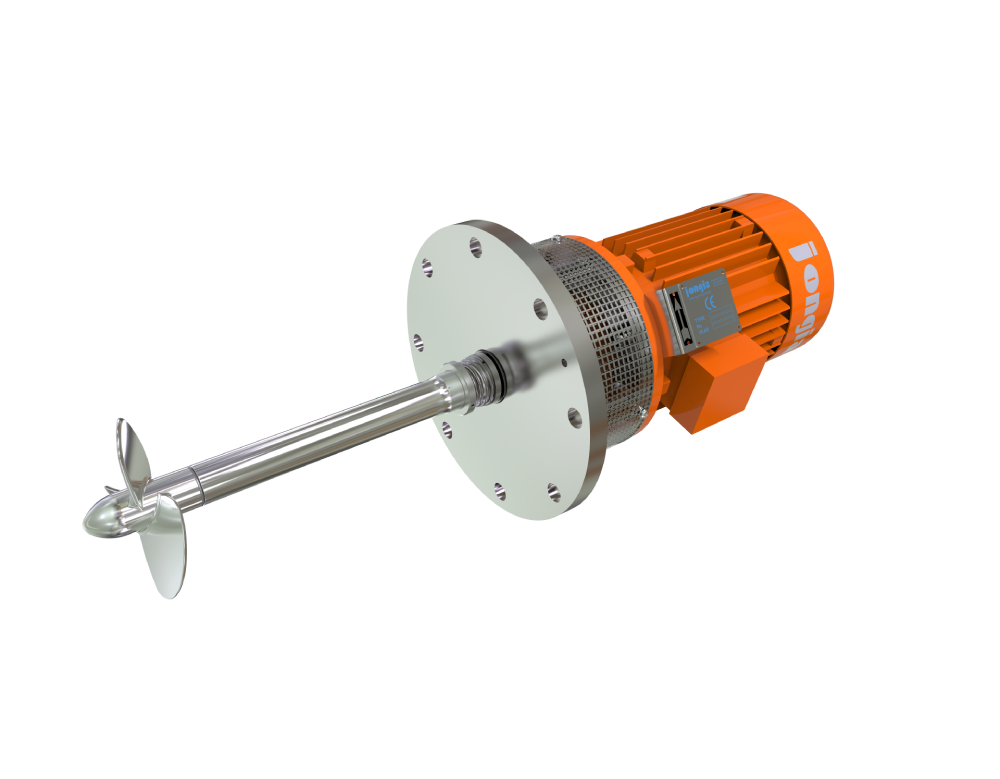
De Dietrich side-entry agitators are available in light-, medium- and heavy-duty configurations. These categories provide an initial selection framework; the appropriate range must be determined from the complete process and mechanical requirements.

Selection range

Product types

Motor range

Application parameters*

General application profile

Typical considerations

Light duty

Magitator JM and JDRW

0.33-20 HP

Low-viscosity fluids, low-pressure vessels and tank volumes up to approximately 500 m³

Homogenization and circulation of readily mixed, low-viscosity liquids

Smaller tanks, lower process loads, direct-drive options and hygienic or sealless configurations

Medium duty

JRWM

4-30 HP

Viscosities up to approximately 5,000 cP and vessel pressures up to 60 psig

Storage, blending, suspension, wastewater and biodigester applications

Larger tanks, increased viscosity, higher forces, moderate pressure and optional tank shut-off systems

Heavy duty

RWM

15-75 HP

Custom designs for very large vessels, high loads, viscosities exceeding 75,000 cP and elevated pressure or temperature

Severe industrial blending and circulation

Very large tanks, high viscosity, elevated pressure or temperature, high loads and multiple-mixer arrangements

Duty level should not be selected by motor power alone. Tank geometry, liquid level, viscosity, density, solids content, mounting angle, mixing element and the required process result all influence the final design.

*Parameters are general references rather than universal design limits. Final operating limits depend on the mixer model, materials, sealing arrangement, drive, mounting and complete mechanical design.

Multiple-Mixer Arrangements for Large Tanks

A single side-entry mixer may not provide the necessary circulation throughout a large-diameter vessel. Multiple mixers can be installed at calculated locations and angles to generate a coordinated flow pattern.

A multiple-mixer arrangement may be used to:

  • Increase circulation throughout a large tank

  • Reduce stagnant areas

  • Maintain solids in suspension

  • Control stratification

  • Move product around internal obstructions

  • Improve temperature uniformity

  • Provide the required mixing result with efficient power distribution

The number, position and orientation of the mixers should be determined through process calculations and, where appropriate, computational fluid dynamics analysis.

CFD modeling can help visualize the interaction between mixers and evaluate liquid velocity, circulation paths, solids movement and potential stagnant regions before equipment is installed.

Mixing Elements Designed for Circulation

The mixing element creates the flow required to circulate the tank contents. Its diameter, geometry, speed and position are selected according to the product and vessel.

Side-entry applications commonly use axial-flow mixing elements designed to generate substantial pumping capacity and move product across the tank. The selected element must balance circulation, shear, power consumption and mechanical loading.

Explore Mixing Elements

Frequently Asked Questions

What is a side-entry agitator?

A side-entry agitator is installed through the wall of a storage or process vessel. Its mixing element directs flow horizontally across the tank to circulate the contents, maintain uniformity or suspend solids.

When should a side-entry agitator be considered?

Side-entry mixing is often considered for storage tanks, large vessels, limited-overhead installations and applications that benefit from high circulation with a compact shaft arrangement.

What is the difference between light-, medium- and heavy-duty models?

Light-duty designs generally handle readily mixed, low-viscosity products. Medium-duty designs support larger tanks, higher viscosity and increased mechanical loads. Heavy-duty designs are intended for severe applications involving very large volumes, high viscosity, pressure, temperature or forces.

Can a side-entry agitator be used in a large storage tank?

Yes. Side-entry agitators are commonly used for large storage tanks. Depending on the tank dimensions and mixing objective, more than one mixer may be required.

How many mixers will my tank need?

The number depends on tank diameter, liquid level, viscosity, solids content, internal components and the desired circulation pattern. Engineering calculations or CFD analysis may be used to determine the number and placement.

Can the mixer be serviced without emptying the tank?

Certain configurations, including the JRWM, can incorporate a manual tank shut-off device that isolates the mixer opening. This may allow seal or drive maintenance without draining the vessel. Suitability must be confirmed for the application.

What is the Magitator?

The Magitator is a magnetically driven mixer that does not require a rotating mechanical shaft seal. It can provide a hermetically closed mixing arrangement for processes where leakage prevention, hygiene or contamination control is important.

Are hygienic configurations available?

Yes. Hygienic materials, polished or electropolished surfaces, cleanable mixing heads and magnetic-drive arrangements can be considered for food, beverage, dairy, pharmaceutical and personal-care applications.

Can side-entry agitators handle solids?

Yes. A properly selected side-entry mixer can help maintain solids in suspension. Particle characteristics, solids concentration, settling behavior and tank geometry must be evaluated during selection.

Are hazardous-location configurations available?

Mixers can be configured for hazardous environments. Motors, electrical components and mechanical features must be specified according to the installation and applicable North American codes.

Can a side-entry mixer be retrofitted to an existing tank?

Often, yes. The vessel wall, mounting nozzle, structural support, internal clearances and external service space must be evaluated before installation.

What information is needed to size a side-entry agitator?

Useful information includes tank dimensions, working volume, minimum and maximum liquid levels, product viscosity and density, solids content, temperature, pressure, mixing objective, vessel internals and available mounting locations.

Configure a Side-Entry Agitator for Your Vessel

From hygienic liquid storage to large biodigesters and demanding chemical blending, De Dietrich can engineer a side-entry mixing solution around your process and vessel geometry.