Standard agitator configurations are not always the best answer for applications involving sterile processing, high containment, continuous production, gas-liquid contact, high viscosity or difficult tank circulation.
De Dietrich offers specialized mixing technologies engineered around the process objective. By evaluating the product, vessel, operating conditions and required result, our engineers can help determine the appropriate solution.
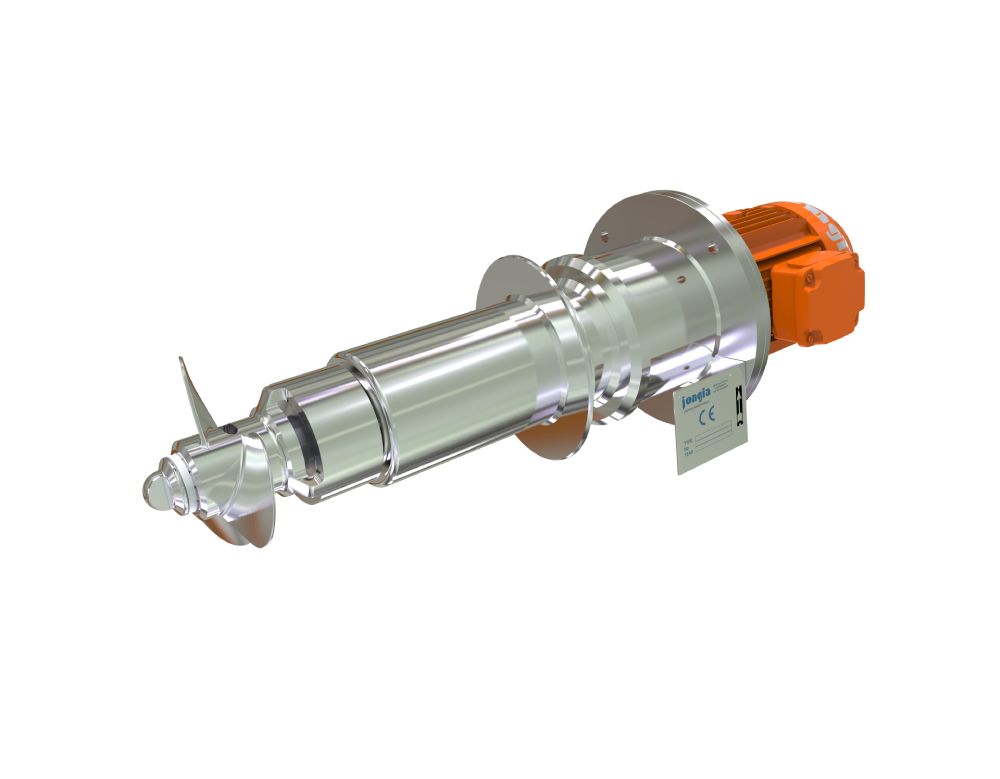
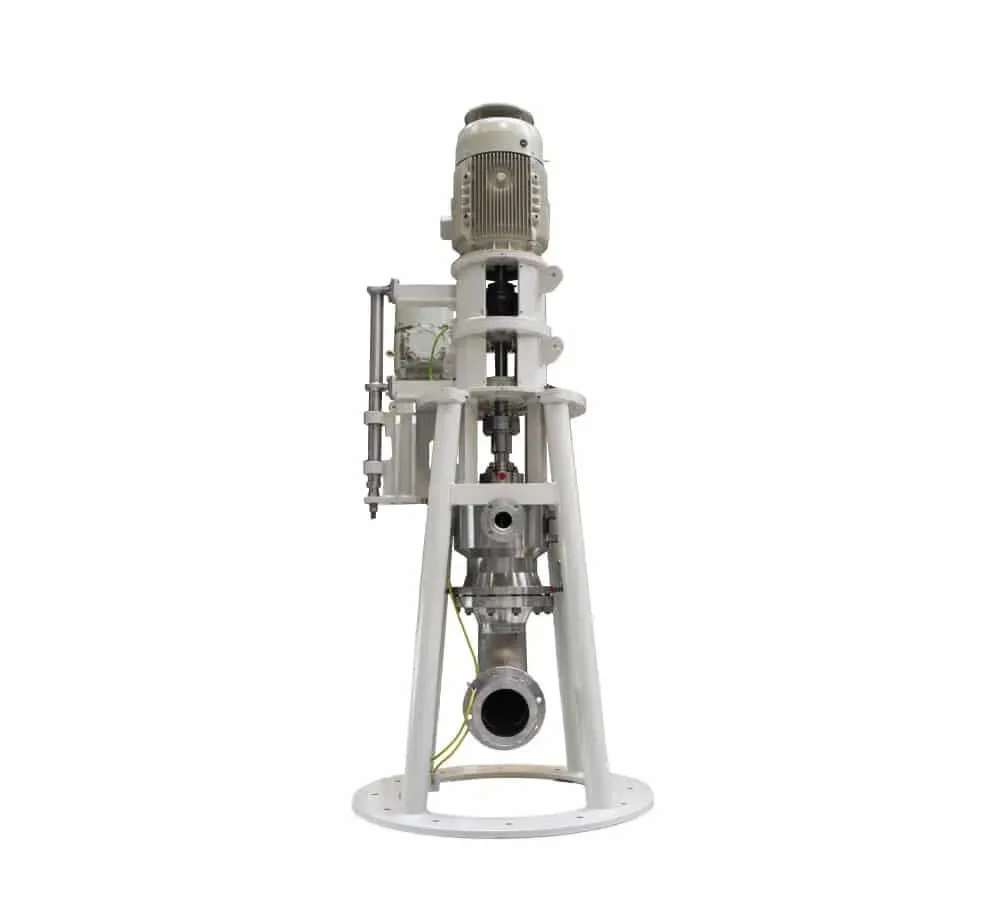
Bottom-entry agitators support applications including product homogenization, dairy and beverage processing, vegetable oil and juice storage, blending, solids suspension, emulsification, pharmaceutical and personal-care manufacturing, and mixing in chemical or industrial reactors.
Their position near the vessel base can be particularly useful where effective circulation must be maintained throughout the batch or where top-mounted equipment limits the available installation space.
Hermetically sealed mixing for sensitive processes
Magnetic mixers use a magnetically coupled drive to eliminate the need for a conventional shaft and mechanical seal. This hermetically sealed arrangement can help reduce leakage and contamination risks in hygienic, sterile, hazardous and high-containment processes.
Magnetic mixing may be considered when:
Continuous mixing outside the primary vessel
Inline mixers perform blending, dispersion or homogenization as material moves through a process line. They can support continuous production, recirculation loops and applications where mixing within the primary vessel is impractical or insufficient.
Inline mixing may be used for:
Improve gas-liquid contact within the vessel
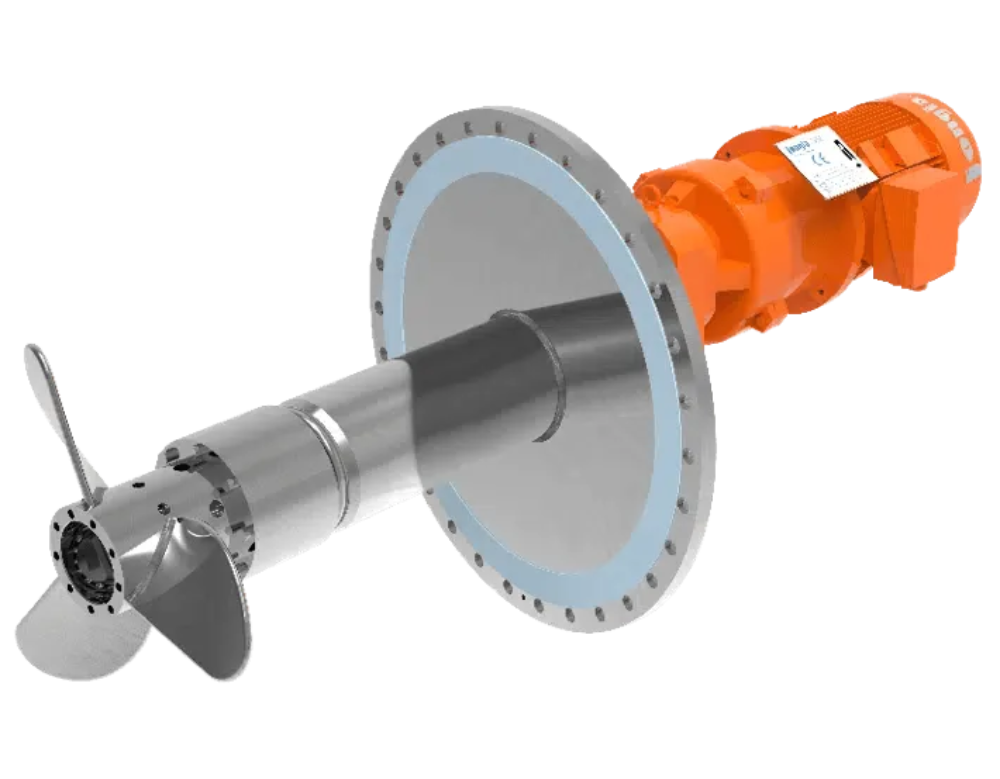
Gas-inducing mixers are designed for processes that require controlled dispersion of gas into a liquid. The mixer draws gas into the liquid phase and distributes it throughout the vessel to promote gas-liquid contact and mass transfer.
These systems may be appropriate for:
Promote complete product movement in demanding fluids
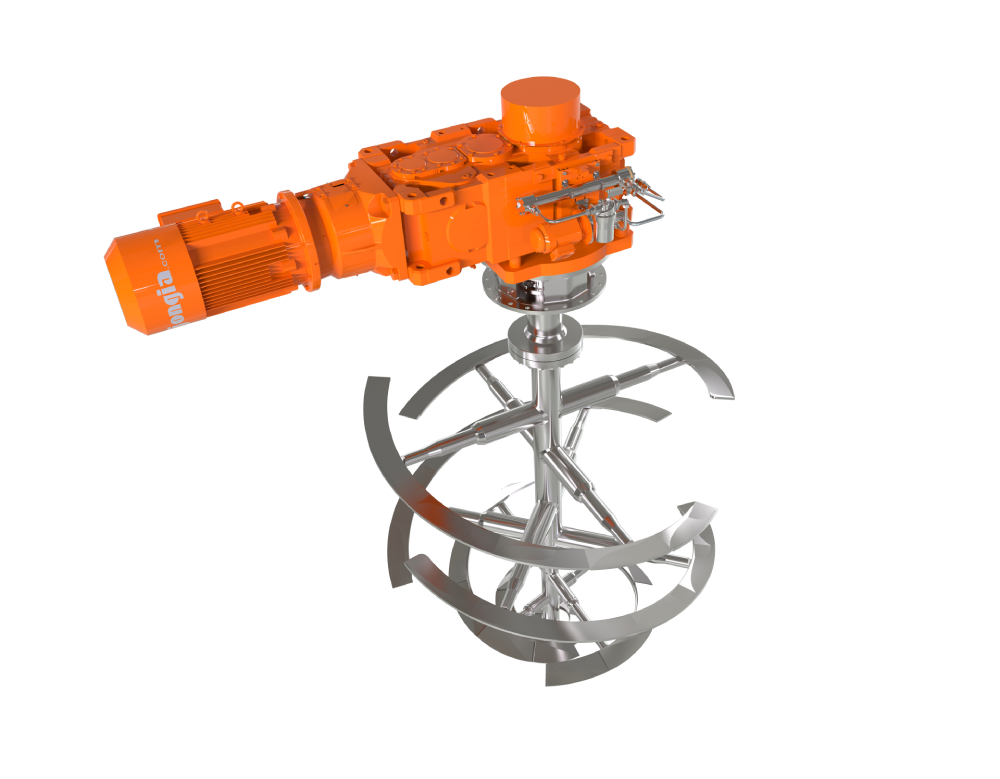
As viscosity increases, conventional impellers may produce localized movement without achieving complete vessel circulation. Conical-helix and counter-rotating mixers are designed to move viscous material throughout the vessel, improve wall turnover and reduce poorly mixed regions.
Conical-Helix Mixers promote axial product movement between the upper and lower areas of the vessel. This configuration can support circulation, blending and heat transfer in thick, sticky or slow-moving products.
Counter-Rotating Mixers use two mixing elements operating in opposite directions. The resulting flow patterns can provide more intensive blending and product turnover than a single mixing element in demanding viscous applications.
Typical applications may include:
Bulk circulation and floating-layer control for large tanks
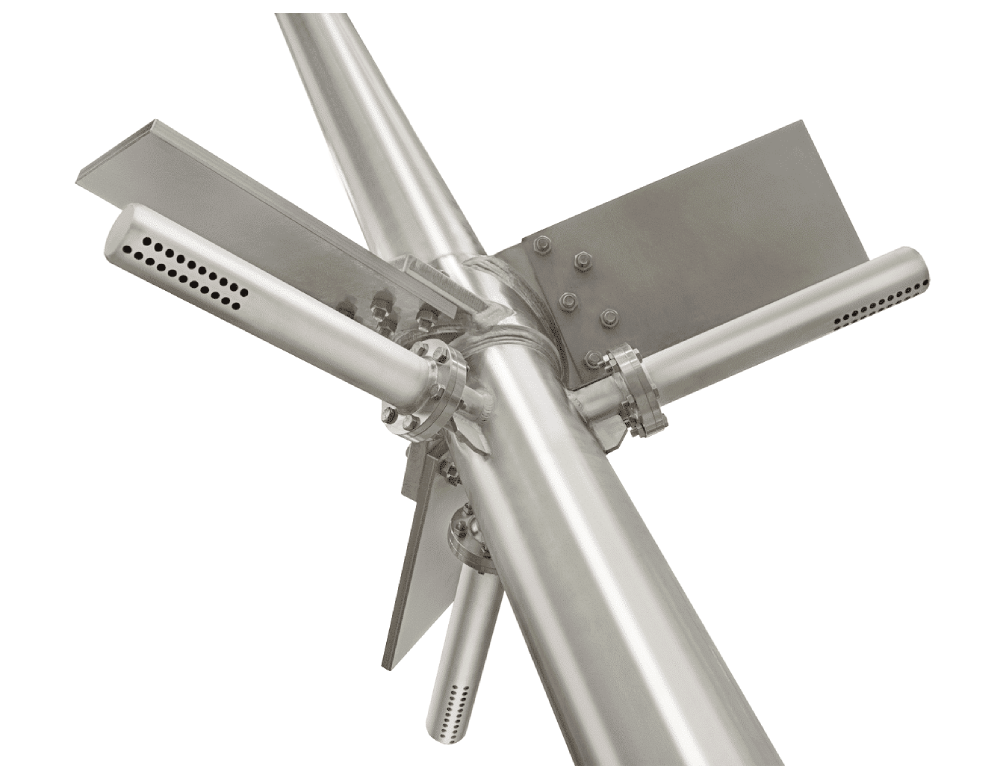
Our Multiprop mixer is designed for large tanks and applications where floating layers, fibrous material or difficult bulk circulation can interfere with process performance. By combining product propulsion with floating-layer disruption, the system can help break up accumulated material, move it back into the liquid and maintain more uniform conditions throughout the tank.
Potential applications include:
| Technology | Primary process need | Common selection considerations |
| Magnetic mixer | Hygienic, sterile or contained mixing | Containment, product purity, pressure, temperature and cleanability |
| Inline mixer | Continuous blending, dispersion or homogenization | Flow rate, residence time, shear requirement and installation arrangement |
| Gas-inducing mixer | Gas dispersion and gas-liquid mass transfer | Gas rate, reaction conditions, pressure and dispersion requirements |
| Conical-helix mixer | Circulation of viscous or slow-moving products | Viscosity, wall turnover, heat transfer and vessel geometry |
| Counter-rotating mixer | Intensive mixing of challenging viscous products | Product rheology, batch uniformity, shear and changing viscosity |
| Multiprop mixer | Large-tank circulation and floating-layer control | Tank dimensions, solids or fiber content, layer formation and circulation pattern |
Specialized mixing equipment must be selected as part of the complete process, not simply by choosing a mixer type or motor size.
Our engineering team can evaluate:
Engineering capabilities include process review, mixer sizing, computational fluid dynamics, testing, scale-up and process optimization. Monitoring technologies such as LiquidZ can also be considered when process data may help improve mixing performance.
DE DIETRICH is the world's leading provider of engineered systems, process equipment and solutions for the pharmaceutical, food, green chemistry and chemical industries.
Quick Links